The Great Cheese Debate: Understanding the Differences
When recipes call for "Greek Cheese" or "Melting Cheese," confusion often arises. Is Kasseri just like Halloumi? Can I use Swiss Gruyere instead? Here is the definitive breakdown.
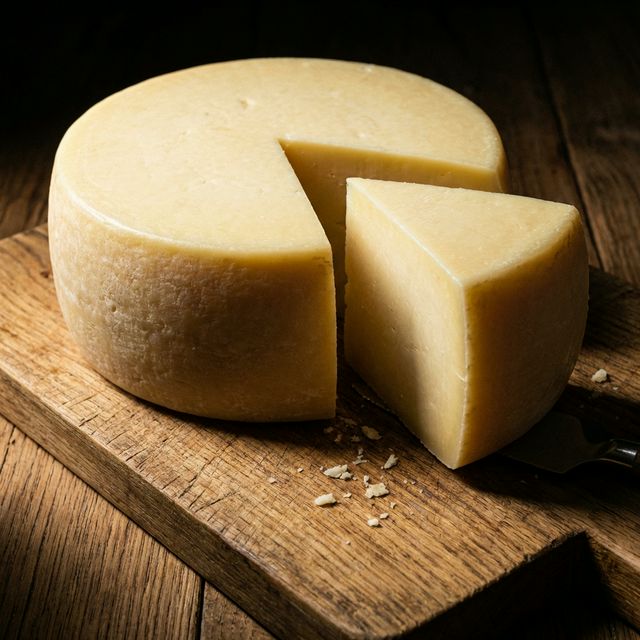
At a Glance Comparison
| Feature | Kasseri (PDO) | Halloumi | Gruyère | Kefalotyri |
|---|---|---|---|---|
| Milk Source | Sheep (min 80%) | Goat & Sheep (Mix) | Cow (Raw) | Sheep & Goat |
| Texture | Semi-hard, Springy | Semi-hard, Rubbery | Hard, Dense | Very Hard, crumbly |
| Flavor | Mild, Buttery, Salty | Salty, Minty (often) | Nutty, Earthy, Sweet | Sharp, Salty, Tangy |
| Melting? | Perfect Melt (Stringy) | Does Not Melt (Grills) | Excellent Melt (Flows) | Grates, doesn't melt well |
| Origin | 🇬🇷 Greece | 🇨🇾 Cyprus | 🇨🇭 Switzerland | 🇬🇷 Greece |
Detailed Breakdown
Kaseri vs. Halloumi
The Non-Melter: This is the biggest difference. Halloumi has a very high melting point, meaning you can grill it directly on BBQ grates and it will hold its shape. Kasseri, however, will melt through the grates. Kasseri is for *pan-frying* (saganaki) where it becomes molten inside a crust. Halloumi stays squeaky.
Kaseri vs. Gruyère
The Cow Factor: Gruyère is a cow's milk cheese, giving it a deeper, nuttier, and sometimes sweeter profile. Kasseri has the distinctive "tang" of sheep's milk. While both melt beautifully (think Fondue vs. Saganaki), they are not direct flavor substitutes. If you need a substitute for Kasseri in a recipe, high-quality Provolone or Mozzarella (low moisture) are actually closer in texture, though milder in taste.
Kaseri vs. Kefalotyri / Graviera
The Age Game: Kefalotyri is much harder and saltier, primarily used for grating over pasta (like Parmesan). Graviera is sweeter and closer to Swiss cheese. Kasseri is the "youngest" feeling of the bunch—springy and ready to melt.
Conclusion: Which One for Saganaki?
If you want the authentic Greek tavern experience with a molten center, choose Kasseri or Kefalograviera.
If you want a grilled cheese that holds its shape on the BBQ, choose Halloumi.